
Compare Local Contractors for Home Electrical Installation Projects
Compare local contractors to define project scope, verify experience, and set clear expectations for your home electrical installation.
Home electrical installation projects typically encompass a variety of tasks related to wiring, outlet and switch placement, lighting fixtures, circuit breakers, and overall electrical system upgrades. These projects often involve installing new electrical systems in new constructions, adding outlets or lighting in existing spaces, or upgrading outdated wiring to meet current safety standards. Proper installation ensures that electrical components function reliably and safely, supporting the daily needs of a household and complying with local codes and regulations.
Clearly defining the scope of work is essential to ensure the project meets expectations and minimizes misunderstandings. Property owners should specify details such as the number and type of outlets, lighting fixtures, switches, and any specific wiring requirements. Documenting these details in writing helps establish a shared understanding with the service provider and provides a reference throughout the project. A well-defined scope also assists in verifying that the chosen local contractor has the relevant experience and resources to handle the specific aspects of the installation.
When comparing local contractors for home electrical installation, property owners should consider their experience with similar projects, the range of services offered, and the quality of previous work. It can be helpful to review credentials, ask for references, and inquire about the contractor’s familiarity with local electrical codes. Additionally, assessing how clearly contractors communicate their scope of work and their willingness to put details in writing can provide insight into their professionalism. Gathering information from multiple service providers allows property owners to make informed decisions and select a contractor best suited to their specific electrical installation needs.
Compare local contractors by outlining your project priorities, verifying experience, and clearly defining expectations in writing.
- Compare Contractors - Review multiple service providers to evaluate their experience and expertise in home electrical installation.
- Define Scope Clearly - Specify the extent of work to ensure contractors understand project requirements and deliver consistent results.
- Verify Experience - Check the background and past work of local contractors to assess their capability for your project.
- Set Expectations in Writing - Document project details, scope, and responsibilities to establish clear agreements with service providers.

Clearly define your project scope and compare experienced local contractors to ensure accurate expectations and reliable service.
- Verify the experience and reputation of local contractors specializing in home electrical installation. - Ensure service providers clearly define the scope of work and project expectations in writing.
- Compare multiple local electrical contractors to assess their expertise and approach to similar projects. - Look for detailed descriptions of the installation process and materials used to ensure transparency.
- Check that contractors provide written estimates outlining the work to be performed and the materials involved. - Confirm that all project details, including any potential additional work, are documented upfront.
- Assess the communication style and responsiveness of local service providers to ensure clear and professional interactions. - Good communication helps set expectations and facilitates smooth project execution.
- Ensure that service providers have a thorough understanding of local electrical codes and standards relevant to residential installations. - This helps ensure the work will meet necessary safety and compliance requirements.
- Review the contractor’s policies on warranties, guarantees, or follow-up support for completed electrical work. - Clarifying these policies can provide added assurance and clarity on post-installation support.
Compare local contractors, define project scope, verify experience, and set clear expectations in writing.
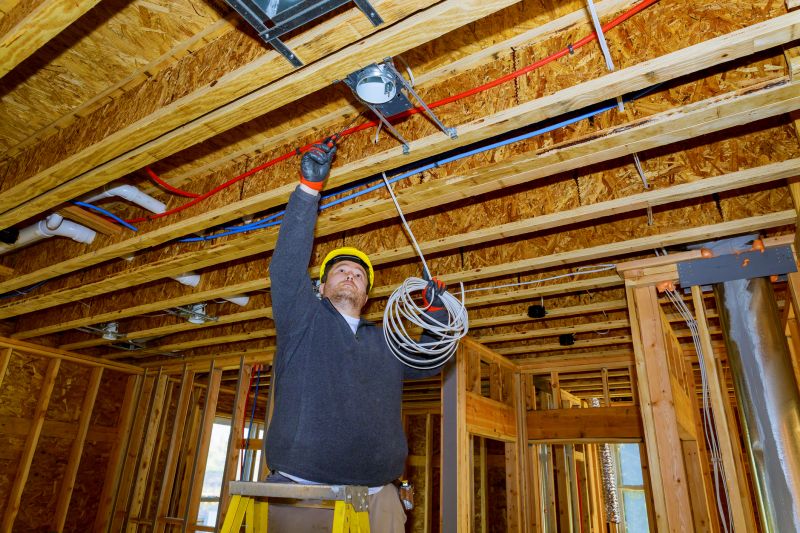
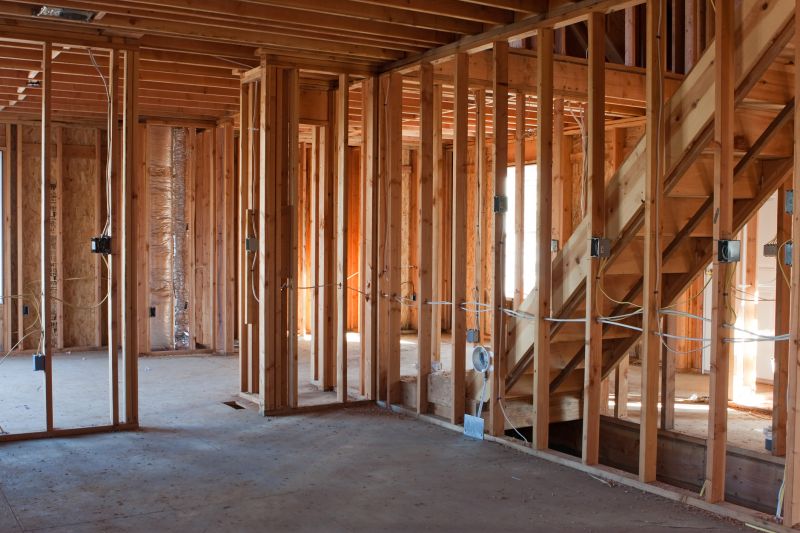
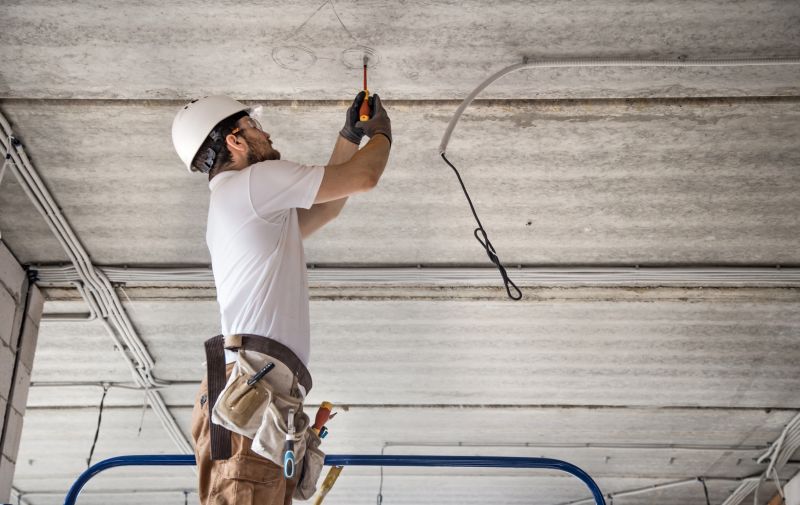

Use clear, consistent scope definitions to accurately compare home electrical installation services offered by local contractors.
- Project Scope - clearly define the specific electrical tasks and areas to be covered in the installation.
- Experience and Expertise - verify that local contractors have relevant experience with similar electrical installation projects.
- Material and Equipment Specifications - specify the types and quality of materials and tools to be used for the installation.
- Work Standards and Procedures - establish expectations for installation methods, safety practices, and code compliance.
- Written Agreement - ensure all scope details, responsibilities, and expectations are documented in a formal agreement.
When comparing contractors for home electrical installation, it’s important to evaluate their experience with similar projects. Homeowners should inquire about the types of electrical work the service providers have completed in the past, paying attention to projects comparable in scope and complexity. A contractor’s familiarity with residential wiring, circuit upgrades, or specialty installations can indicate their ability to handle specific needs effectively. Ensuring that a contractor has relevant experience helps to establish confidence that they understand the requirements and challenges associated with the work.
A clear, written scope of work is essential when evaluating electrical contractors. This document should outline the specific tasks to be performed, the materials to be used, and the expected outcomes. A detailed scope helps prevent misunderstandings and provides a basis for evaluating whether the service provider’s approach aligns with the project’s needs. Homeowners should seek contractors who can articulate their plan in writing, ensuring that expectations are transparent and that there is a shared understanding of what the project entails.
Verification of a contractor’s credentials can be approached through basic checks, such as reviewing references, portfolios, or past project descriptions. Asking for examples of completed work similar to the current project can provide insight into their capabilities. It’s also helpful to verify their reputation within the community or industry through online reviews or local referrals. These verification steps are fundamental for assessing the reliability and professionalism of potential service providers, helping homeowners make informed comparisons.
When evaluating options, homeowners should consider how each contractor’s experience, scope of work, and verification details align with their project needs. Comparing the clarity of communication, professionalism, and thoroughness in proposals can reveal how well each service provider understands the job. Focusing on these factors allows homeowners to select a contractor who demonstrates competence and transparency, ensuring the electrical installation project is managed effectively by qualified local contractors.
Ask contractors to provide written scope details to ensure clear expectations and consistent project understanding.
- Experience and Credentials - What specific experience do the local contractors have with residential electrical installations?
- Scope of Work - How clearly do the service providers define the scope of the electrical installation project?
- Comparison of Services - What services and methods do different local contractors recommend for the installation?
- Work Details in Writing - Are the project scope and expectations documented clearly in written agreements?
- Previous Projects and References - Can the local pros provide examples or references of similar electrical installations they have completed?
How can I compare different contractors for home electrical installation? Comparing contractors involves reviewing their experience, checking references, and ensuring they clearly define the scope of work in writing to make informed decisions.
What should I look for to verify a contractor’s experience? Look for contractors with a proven track record in residential electrical projects, and request details about their past work to assess their expertise.
Why is it important to have the scope of work in writing? Having the scope of work documented helps set clear expectations, prevents misunderstandings, and provides a reference for project completion.
How can I ensure a contractor is qualified for my electrical project? Verify that the contractor has relevant experience in similar projects and ask for references or examples of completed work to assess their capabilities.
What questions should I ask a contractor before hiring? Ask about their experience, approach to safety, process for defining project scope, and how they handle unexpected issues during installation.
How do I set clear expectations with a home electrical contractor? Clearly communicate your project needs, request a detailed scope of work in writing, and confirm that all agreed-upon details are documented before work begins.
Visitors now have a clear understanding of how to identify qualified contractors for home electrical installation projects. They’ve learned the importance of defining the scope of work, verifying the experience of service providers, and setting clear expectations in writing to ensure a smooth process. By comparing different local contractors, homeowners can find options that best meet their specific needs and preferences.
Encouraged to take the next step, visitors can use the quote form to explore and compare local service providers. Connecting with multiple contractors allows for an informed decision based on the options available, helping to ensure that the chosen professional aligns with the project requirements.