
Compare Local Contractors for Commercial Electrical Wiring Projects
Compare local contractors for commercial electrical wiring to define scope, verify experience, and set clear expectations for a successful project.
Commercial electrical wiring projects encompass a broad range of work essential to the functionality and safety of business environments. This typically includes installing new electrical systems, upgrading existing wiring, integrating lighting solutions, and ensuring power distribution meets the specific needs of the property. Proper planning and execution are critical, as commercial wiring must support various equipment, adhere to building codes, and accommodate future expansion. Engaging experienced service providers ensures that the wiring is installed correctly and reliably, reducing the risk of outages or safety hazards.
Defining the scope of a commercial wiring project is a vital step in achieving a successful outcome. Clearly outlining the work to be performed-including the extent of electrical upgrades, specific areas to be wired, and any special requirements-helps prevent misunderstandings and scope creep. A detailed scope also facilitates effective communication with contractors, enabling them to provide accurate proposals and ensure that all aspects of the project are covered. Proper documentation of the scope creates a reference point throughout the project, helping to set clear expectations and minimize potential disputes.
When comparing local contractors for commercial electrical wiring, property owners should consider their experience with similar projects, the range of services offered, and their reputation within the community. Verifying the contractors’ backgrounds can involve reviewing references or past work, as well as asking about their familiarity with local building codes and standards. It’s also important to evaluate how each service provider approaches project planning, communication, and documentation. By gathering detailed information and asking relevant questions, property owners can better assess which contractors are equipped to handle the scope of work and can meet the specific needs of the property, ensuring a smooth and well-managed project.
Compare local contractors by outlining project priorities, verifying experience, and setting clear expectations in writing.
- Compare Contractor Experience - Review the backgrounds of local contractors to assess their expertise in commercial electrical wiring projects.
- Define Project Scope Clearly - Establish detailed work descriptions to ensure all parties have aligned expectations.
- Verify Credentials and References - Check references and previous work to gauge the reliability and quality of service providers.
- Document Agreements in Writing - Ensure all project details, responsibilities, and expectations are outlined in a formal agreement.
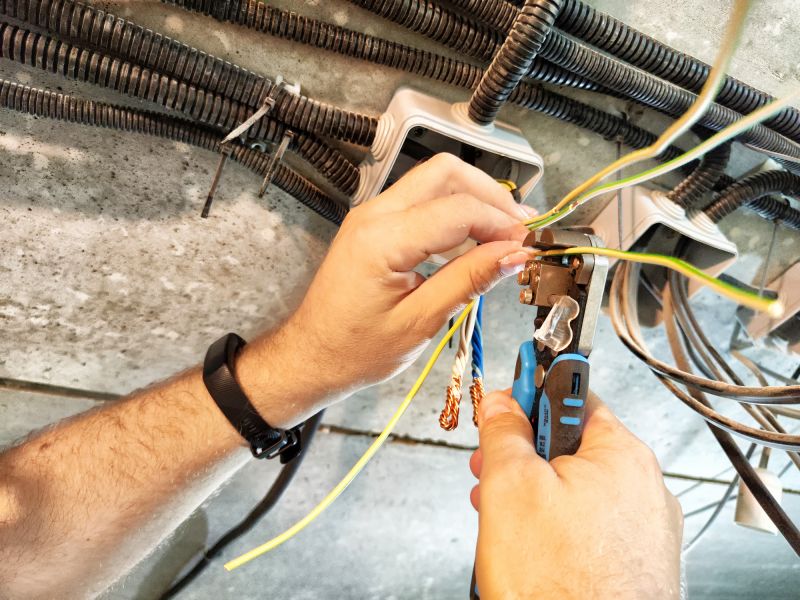
Clearly describe your commercial wiring project to effectively compare local contractors, verify experience, and set written expectations.
- Verify scope of work - ensure the contractor clearly defines the extent of electrical wiring services to meet project needs.
- Check experience with commercial wiring - confirm the contractor has relevant experience handling commercial electrical systems and building codes.
- Review project references - ask for examples of similar commercial wiring projects completed by the contractor.
- Confirm detailed written estimates - obtain a comprehensive scope and scope of work in writing to set clear expectations.
- Assess familiarity with electrical plans - ensure the contractor can interpret and work from detailed electrical schematics and blueprints.
- Ensure compliance with local codes - verify that the service provider understands and adheres to applicable electrical codes and standards.
Compare local contractors' experience and clarify project scope to ensure clear, written expectations.
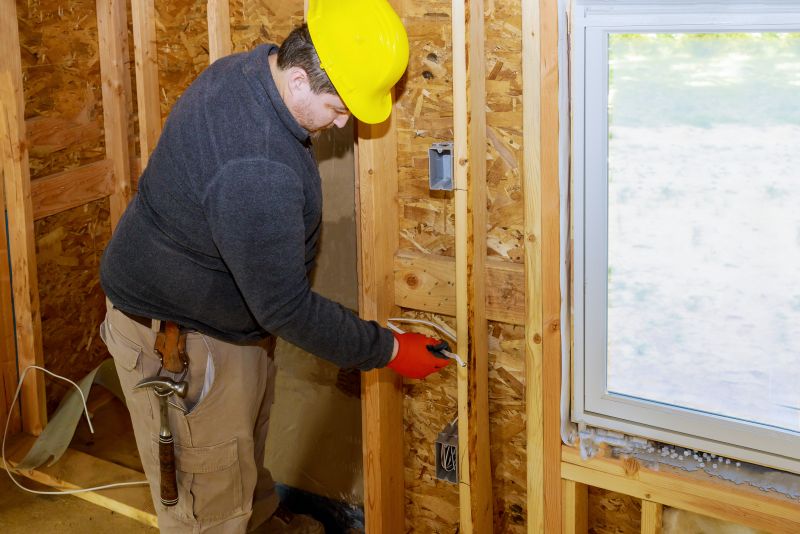
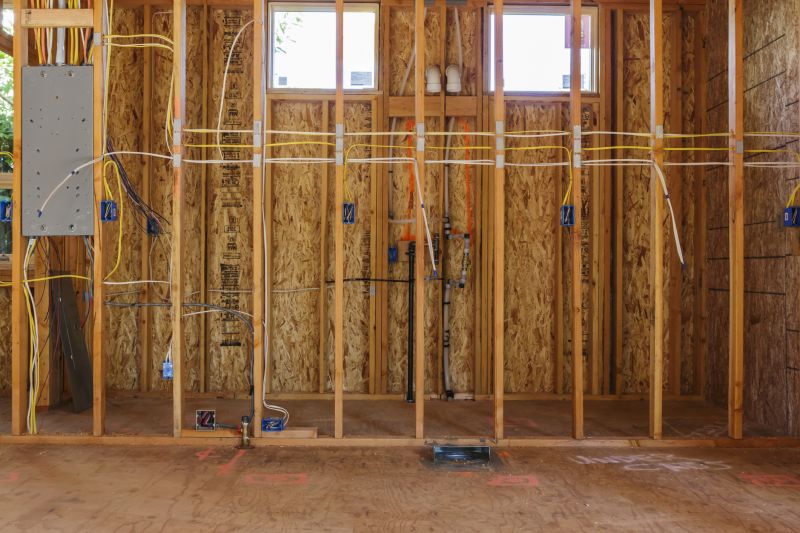
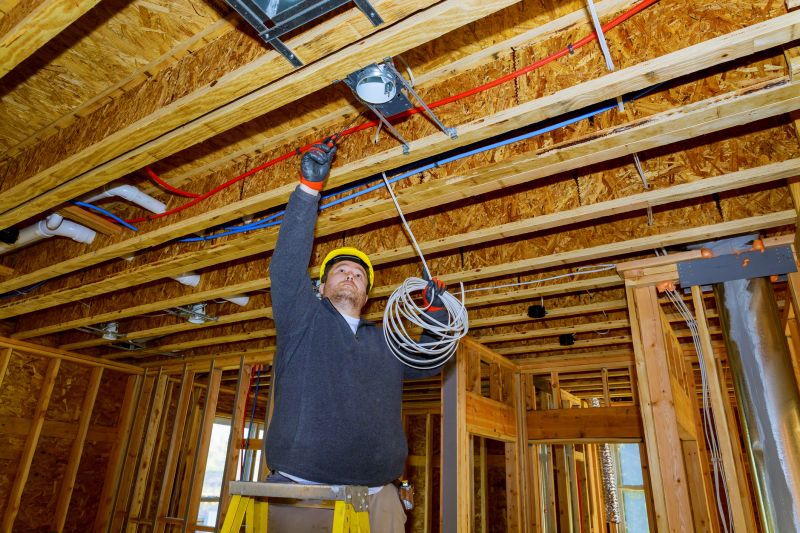

Use consistent comparison criteria across local contractors by clearly defining scope, verifying experience, and setting expectations in writing.
- Scope Definition - Clearly outline the specific electrical wiring tasks required for the commercial project.
- Experience Verification - Confirm that local contractors have relevant experience with similar commercial wiring installations.
- Material and Equipment Specifications - Specify the types and standards of materials and equipment to be used in the wiring work.
- Work Standards and Quality Expectations - Establish the expected quality, safety, and compliance standards for the wiring installation.
- Documentation and Scope Agreement - Ensure all project details, responsibilities, and scope are documented and agreed upon in writing.
When comparing contractors for commercial electrical wiring, it is essential to evaluate their experience with similar projects. Contractors who have a proven track record of completing commercial wiring jobs comparable in size and complexity can offer insights into their familiarity with industry standards and common challenges. Asking for examples of past work or references related to projects of similar scope can help determine whether a contractor has relevant experience. This ensures that the service providers being considered are well-versed in the specific requirements of commercial electrical systems, which can contribute to a smoother installation process.
A clear, written scope of work is a vital component in assessing potential contractors. A detailed scope helps define exactly what tasks will be performed, what materials will be used, and what the expected outcomes are. It provides a foundation for evaluating whether a contractor’s approach aligns with the project’s needs. When reviewing proposals or estimates, look for documentation that explicitly states the work to be done, avoiding vague language or generalizations. A well-defined scope sets clear expectations and reduces the likelihood of misunderstandings or scope creep during the project.
Verification basics are key to ensuring that a contractor’s qualifications and capabilities match the project’s demands. Confirm that the service providers have the necessary experience with commercial wiring and understand local codes and standards relevant to the job. Request information about their project history, and consider how long they have been active in the industry. Additionally, inquire about their process for handling unforeseen issues or changes during the work. Verifying these aspects helps build confidence that the contractor can deliver reliable results and handle the complexities of commercial electrical projects.
When evaluating options for commercial electrical wiring, it is important to consider how well each contractor’s proposal and approach align with the project’s requirements. Focus on the clarity and completeness of their scope of work, their demonstrated experience with similar projects, and their ability to communicate expectations in writing. Comparing these elements can help identify service providers who are capable of managing the project effectively and meeting the specific needs of the commercial setting. This approach ensures a thorough understanding of what each contractor offers, facilitating informed decisions without the influence of pricing or timelines.
Ask contractors to provide written scope of work to ensure clarity and consistency throughout the project.
- **Scope Clarification** - What specific electrical wiring services do local contractors include in their scope of work?
- **Experience Verification** - How can it be confirmed that service providers have relevant experience with commercial wiring projects?
- **Comparison of Offerings** - In what ways do local contractors differentiate their services for commercial electrical wiring?
- **Work Scope Documentation** - Are detailed written descriptions of the work scope provided and agreed upon before starting?
- **Project Expectations** - How do service providers define project expectations to ensure clarity and alignment?
How can I compare contractors for commercial electrical wiring? Reviewing credentials, experience, and customer references can help evaluate different service providers and find a suitable match for the project’s scope.
What should I include when defining the scope of electrical wiring work? Clearly outlining the specific tasks, areas, and requirements ensures contractors understand the project expectations and deliver accordingly.
How do I verify a contractor’s experience with commercial electrical wiring? Request details about past projects similar in size and complexity, and ask for references to confirm their expertise in commercial settings.
Why is it important to have written agreements with contractors? Written contracts help set clear expectations, outline the scope of work, and provide a record of agreed-upon terms for the project.
What questions should I ask contractors during the selection process? Inquire about their experience, approach to safety and code compliance, and how they handle project management and communication.
How can I ensure the scope of work is properly documented? Request detailed written descriptions of tasks, materials, and responsibilities to avoid misunderstandings and ensure alignment on project goals.
This page has highlighted the importance of clearly defining the scope of a commercial electrical wiring project, verifying the experience of potential service providers, and establishing written agreements to set clear expectations. By understanding these key steps, visitors can better navigate the process of selecting a qualified contractor who meets their specific needs. Utilizing the quote form allows for easy comparison of local service providers, helping to identify options that align with project requirements.
Taking advantage of the quote form is a practical way to connect with experienced local contractors capable of handling commercial electrical wiring. Comparing different service providers can help clarify the options available and ensure that the project is approached with clear communication and well-defined parameters. This approach supports making informed decisions by reviewing local options side by side before choosing the right partner for the job.