
Compare Local Contractors for Home Automation Installation Services
Compare local contractors to define project scope, verify experience, and set clear expectations for seamless home automation installation.
Home automation installation services typically encompass the setup and integration of smart devices that enhance the functionality and convenience of a residence. This can include installing smart lighting systems, automated thermostats, security cameras, voice-controlled assistants, motorized window treatments, and other connected devices. Contractors often handle the wiring, device placement, network configuration, and integration of these systems to ensure they work seamlessly together within the existing home infrastructure. Clear communication about the specific devices and features desired helps ensure the installation meets the property owner’s needs and expectations.
Defining the scope of a home automation project is a crucial step that influences the overall success of the installation. A well-outlined scope clarifies which systems and devices will be included, the level of integration, and any customization required. This helps prevent misunderstandings and scope creep, ensuring that both property owners and contractors are aligned on what is to be accomplished. Documenting the scope in writing provides a reference point throughout the project, facilitating smoother communication and helping to set realistic expectations for the work involved.
Property owners seeking to compare local contractors for home automation installation should consider their experience with similar projects and their familiarity with the specific devices or systems in mind. It’s beneficial to review the scope of work each contractor can provide and ask for details about their process and approach. Comparing how contractors plan to handle wiring, device placement, and system integration can reveal differences in expertise and attention to detail. Gathering information on each service provider’s background and verifying their experience can help property owners make informed decisions and select a contractor capable of delivering a reliable, well-executed automation system.
Compare local contractors by outlining your priorities, verifying experience, and clearly defining project scope and expectations.
- Compare Contractor Experience - Review the backgrounds of local contractors to ensure they have relevant experience in home automation installation.
- Define Project Scope Clearly - Establish detailed descriptions of the work to set accurate expectations with service providers.
- Verify Service Provider Credentials - Check references and credentials to confirm the reliability and professionalism of local contractors.
- Document Agreements in Writing - Ensure all project details, responsibilities, and expectations are documented to prevent misunderstandings.

Clearly describe your home automation project to help local contractors understand your needs and compare their expertise effectively.
- Verify the experience and expertise of local contractors in home automation installation. Ensure they have a proven track record with similar projects and the necessary skills.
- Define the scope of work clearly in writing, including specific devices, systems, and integration requirements. A detailed scope helps prevent misunderstandings and sets clear expectations.
- Compare multiple local service providers to assess their methods, communication style, and approach to project management. This comparison can help identify the most suitable contractor for the job.
- Check references or reviews to gauge the quality of previous home automation installations performed by the contractors. Feedback from past clients provides insight into their reliability and workmanship.
- Discuss and document the installation process, including site assessments, wiring, and system testing procedures. Clear documentation ensures transparency and helps manage project expectations.
- Confirm that the contractor provides a detailed written agreement outlining the scope, responsibilities, and deliverables of the project. A comprehensive contract protects both parties and clarifies project parameters.
Compare local contractors’ experience and clarify project scope to ensure expectations are aligned.


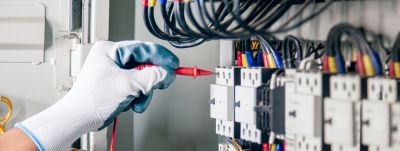
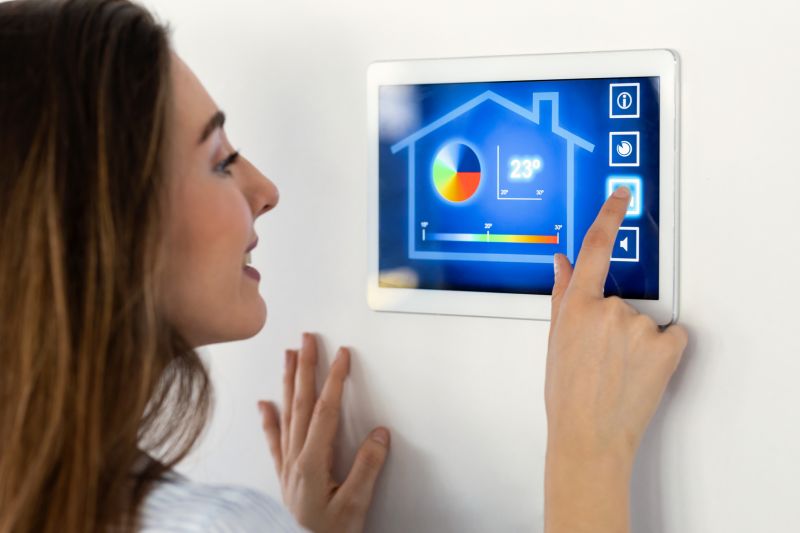
A clear scope builder helps compare local contractors effectively by standardizing expectations and verifying experience.
- Define the scope of automation systems to be installed - clarify which devices and functionalities the system should support.
- Identify the types of home infrastructure and existing wiring - assess current electrical and network setups to ensure compatibility.
- Verify the experience and expertise of service providers in home automation installation - review their previous work and industry knowledge.
- Establish clear project expectations and deliverables in written agreements - outline the installation process, system features, and responsibilities.
- Compare local contractors based on their service offerings, reputation, and ability to meet project requirements - evaluate options to find suitable providers for the installation.
When evaluating contractors for home automation installation, it’s important to consider their experience with similar projects. Home automation systems can vary widely in complexity, from simple smart device integrations to comprehensive home control solutions. Service providers with a track record of handling projects comparable to your needs are more likely to understand the technical requirements and potential challenges involved. Asking about past work that aligns with your specific goals can help ensure the contractor has relevant expertise and a proven ability to deliver the desired results.
A clear, written scope of work is essential when comparing contractors. This document should outline the specific tasks, system components, and functionalities included in the project. A detailed scope helps prevent misunderstandings and sets realistic expectations for what the installation will entail. When reviewing proposals or estimates, look for clarity and completeness in the scope description. Service providers who can articulate what will be done, how, and what is included or excluded demonstrate professionalism and a commitment to transparency.
Verification basics are key to assessing the reliability of potential contractors. While formal licensing or certification may not be a requirement, it’s still important to verify their experience through references or documented project summaries. Confirm that the service providers have successfully completed similar installations and can provide examples or references upon request. Additionally, understanding their process for troubleshooting and quality assurance can help gauge their capability to handle unforeseen issues and ensure the system functions as intended.
Evaluating options without focusing on pricing involves examining how well each contractor’s approach aligns with your project needs. Consider the clarity of their scope, the level of detail in their proposals, and their ability to communicate technical aspects clearly. Comparing the thoroughness of their plans and their understanding of your goals can reveal which service providers are most capable of delivering a successful home automation system. By focusing on experience, scope clarity, and verification, homeowners can make informed choices and connect with local contractors suited to their automation projects.
Ask contractors to provide written scope details to ensure clear expectations and consistent project understanding.
- Scope of Work - What specific tasks and features are included in the home automation installation?
- Experience and Expertise - How much experience do the local contractors have with similar home automation projects?
- Comparison of Services - How do different service providers’ offerings and capabilities compare?
- Project Expectations - How should the scope and deliverables be documented to ensure clarity?
- Customization Options - What level of customization and integration do the local contractors provide for different home systems?
How can I compare home automation installation contractors? Reviewing credentials, experience, and customer feedback can help in evaluating local service providers and finding a suitable match for the project.
What should I include in the scope of work when hiring a contractor? Clearly outlining the specific devices, systems, and integration requirements ensures contractors understand the project scope and can provide appropriate solutions.
How do I verify a contractor’s experience with home automation installations? Asking for examples of past projects and references can provide insight into a contractor’s familiarity and expertise with similar systems.
What is the importance of having a written agreement with a contractor? A detailed contract helps set clear expectations, defines the scope, and provides a reference for project deliverables and responsibilities.
How can I ensure the contractor understands my automation needs? Communicating your specific preferences and requirements in writing facilitates understanding and helps prevent misunderstandings during installation.
What questions should I ask a contractor before hiring for home automation work? Inquire about their experience, approach to project planning, and how they handle system integration to ensure alignment with your automation goals.
Home automation installation projects can vary widely, making it important to understand how to evaluate and compare local contractors effectively. Learning to define the scope of work clearly, verify the experience of service providers, and set expectations in writing helps ensure the process aligns with individual needs. Taking the time to explore options and gather information can lead to a more informed decision when choosing a contractor for your home automation needs.
Using the quote form is a straightforward way to connect with local contractors who can handle the job. It allows for easy comparison of available service providers, helping to identify those best suited for your project. By reaching out through the form, you can gather details and make a well-informed choice based on your specific requirements.